

Thirty butterfly species have been recorded on and around Barnes Common - roughly half of the 59 butterfly species regularly recorded in the UK
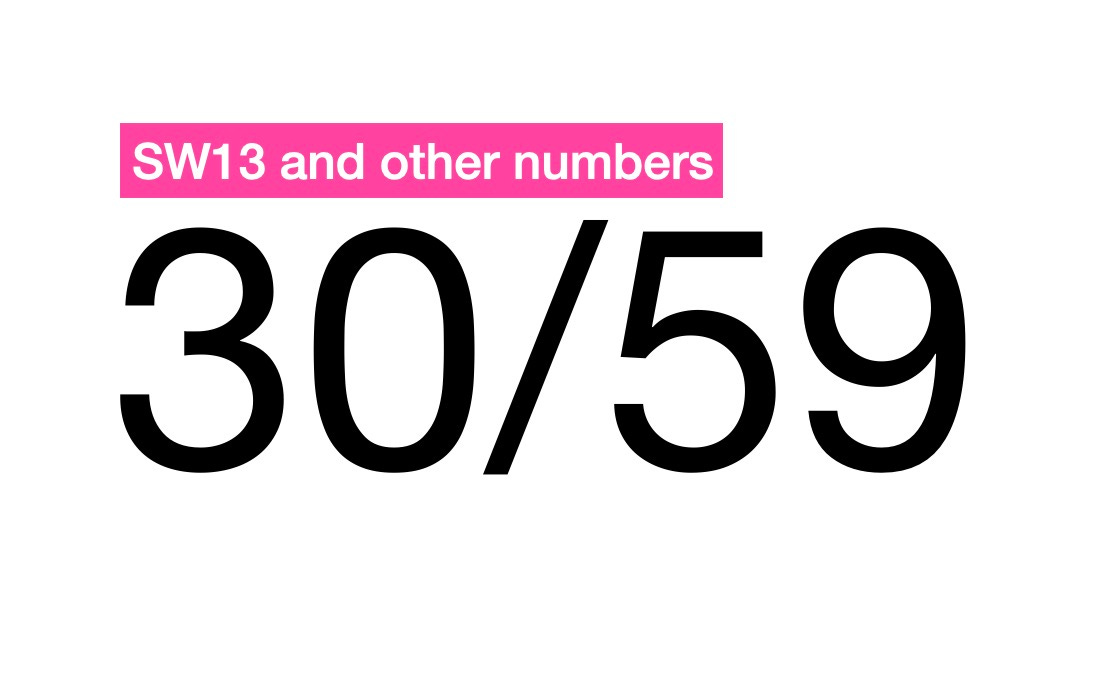
The figure comes from a decade of patient butterfly recording by Barnes Common volunteers who have been counting butterflies over a 30-week period every year. the work was led by Karen Goldie-Morrison, former Chair and Trustee of Butterfly Conservation.
Welcome to Barnes2050, a place-based futures project asking: how do we make sure Barnes - the place and its people - is thriving and climate-ready by 2050?
Three new species for Barnes have been recorded since 2018.
In 2025 the fabulously named Brown Hairstreak was spotted lurking in the brambles - a small but important find in conservation terms.

Full disclosure - I am a Friend of Barnes Common, so support the charity financially.
Notes & thoughts
Thirty butterfly species is towards the upper end of what most towns and cities can expect, according to Butterfly Conservation. That makes Barnes unusually rich for a London neighbourhood.
This hints at something important.
Barnes is not merely affluent and leafy-rich. Ecologically, it is still functioning better than many urban places. The combination of gardens, commons, river corridors, wetlands and relatively low-density streets still creates connected habitats where complex life can survive.
Butterflies are relevant to Barnes2050 because - to mix wildlife metaphors - they are an urban equivalent of a canary in a coal mine.
They are sensitive to small environmental shifts. They are, in effect, biological early-warning systems.
Looking to our likely future climate, the Barnes butterflies face some challenges:
Hotter, drier summers can scorch or kill the plants caterpillars depend on.
Sudden heavy rainfall can destroy eggs and larvae.
Warmer winters disrupt hibernation cycles and seasonal timing.
Climate stress weakens already fragmented urban habitats.
In Britain, researchers tracking how butterflies are responding to climate change
.. have found significant shifts in abundance and distribution as temperatures rise and habitats become more fragmented.
And that is why butterflies matter symbolically.
They are not just decorative on a sunny afternoon on Barnes
They are visible evidence that the wider ecological system — plants, insects, soil, moisture and seasons — is still broadly functioning. The challenge for a climate-ready Barnes is making sure that remains true in 2050.
